

Finding the right therapist often feels overwhelming. Many people spend months cycling through consultations, only to feel disconnected or misunderstood. Understanding how the therapist matching process works can save you time, reduce frustration, and dramatically improve your therapy outcomes. This guide walks you through practical steps to find a therapist who truly fits your needs, communication style, and goals.
Table of Contents
- Understanding the therapist matching process
- What you need before starting the matching process
- Step-by-step how to match with the right therapist
- Common mistakes and how to avoid them
- Expected outcomes and how to measure success
- Alternative therapist matching approaches and tradeoffs
- Safety and privacy considerations in therapist matching
- How Guide Me can help you find your ideal therapist
- Frequently asked questions
Key takeaways
| Point | Details |
|---|---|
| Effective matching improves therapy satisfaction | Good therapist matching drastically reduces dropout rates and increases engagement. |
| Preparation accelerates the process | Clarifying your therapy goals and preferences before searching can reduce matching time by 40%. |
| Multiple consultations build confidence | Speaking with several therapists increases your engagement and helps you make an informed choice. |
| Avoid common pitfalls | Rushing the process or ignoring logistics causes 30% of early therapy terminations. |
| Prioritise safety and privacy | Verifying credentials and understanding data protection reduces complaints by 20%. |
Understanding the therapist matching process
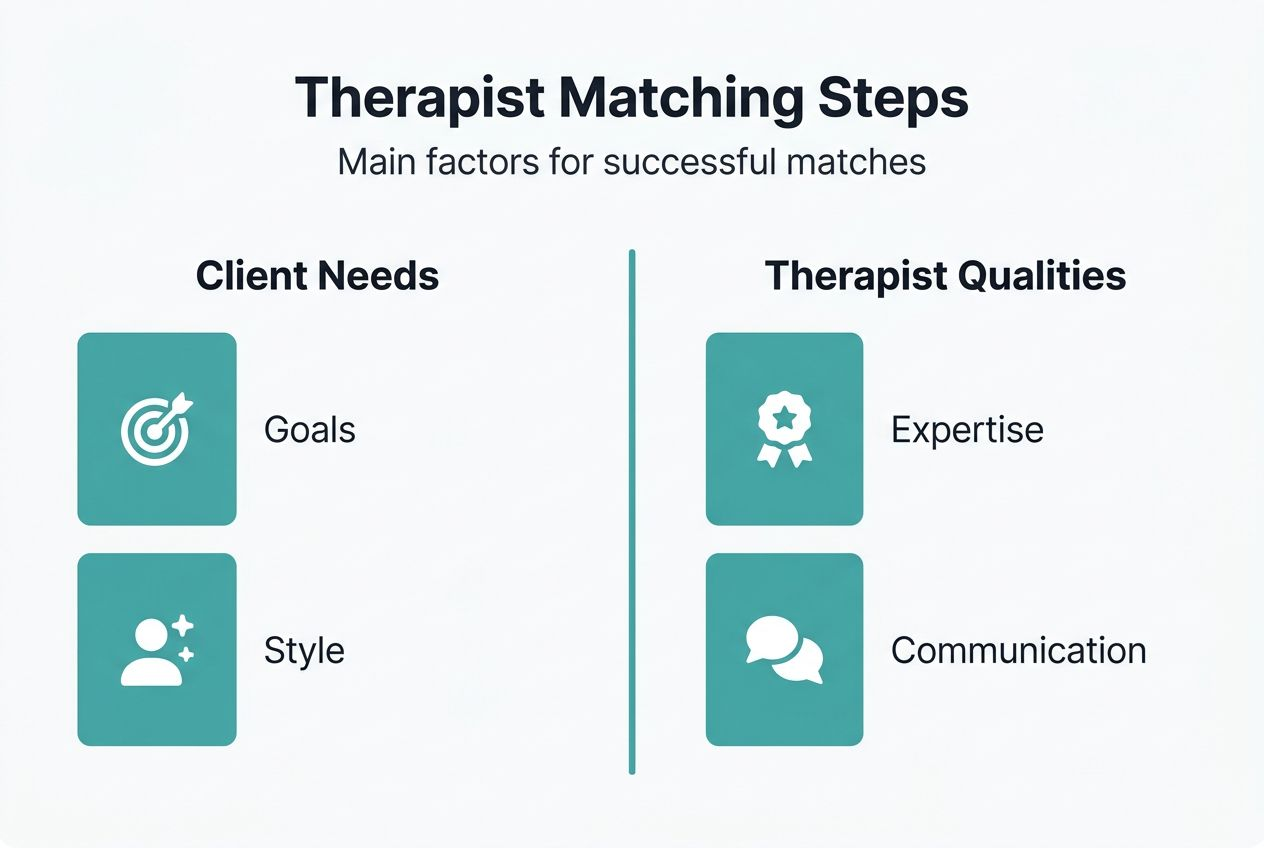
Therapist matching pairs your specific needs, preferences, and goals with a therapist's expertise, communication style, and approach. Poor matching accounts for approximately 60% of therapy dissatisfaction, making this process critical to your success.
When matching works well, it directly impacts your engagement and satisfaction. Research shows 70% improvement in therapeutic alliance clarity within the first five sessions for well-matched clients compared to those poorly matched. A strong therapeutic alliance often develops quickly when the fit is right.
Several key factors determine successful matching:
- Cultural background and shared understanding of identity
- Communication style preferences and responsiveness
- Therapy approach alignment with your needs
- Practical logistics like location, schedule, and cost
- Therapist specialisation matching your specific challenges
Platforms like Guide Me use structured intake processes to capture these factors systematically. By addressing compatibility upfront, you avoid wasting time and emotional energy on unsuitable matches. The earlier you establish good fit, the sooner therapy can deliver meaningful progress.
What you need before starting the matching process
Proper preparation significantly accelerates finding the right therapist. Clients who complete detailed intake questionnaires reduce their matching time by approximately 40% compared to those who start unprepared.
Begin by clarifying your therapy goals. Ask yourself what you want to achieve: managing anxiety, processing trauma, improving relationships, or building coping skills. Write down specific outcomes you hope for. This clarity helps you communicate effectively with potential therapists.
Next, identify your preferred therapy styles. Research common approaches like cognitive behavioural therapy, psychodynamic therapy, or humanistic therapy. Consider whether you prefer structured sessions or more open-ended conversations. Understanding these preferences narrows your search considerably.
Pro Tip: Create a simple checklist of your must-haves and nice-to-haves before starting your search. Include practical details like session frequency, budget limits, and location preferences to keep your search focused.
Gather practical information:
- Insurance details and coverage limits for mental health services
- Preferred session times and frequency
- Location constraints or willingness to use telehealth
- Budget range if paying privately
- Any specific accessibility needs
Consider your communication style honestly. Do you prefer direct feedback or gentle guidance? Do you need a therapist who asks lots of questions or one who listens more? Services like Guide Me use these preferences to refine recommendations. Being organised with these details saves weeks of back-and-forth scheduling and eliminates mismatches early.

Step-by-step how to match with the right therapist
Following a structured approach transforms therapist matching from overwhelming to manageable. This systematic process increases your chances of finding a compatible therapist quickly.
Step 1: Define your specific therapy goals
Write down three to five concrete goals. Instead of "feel better," try "reduce panic attacks to once per month" or "improve communication with my partner." Specific goals help therapists assess whether they can help you effectively.
Step 2: Complete intake questionnaires thoroughly
Whether using a platform or contacting therapists directly, fill out intake forms with detail. These questionnaires capture your preferences, history, and needs. The more information you provide, the better the initial match.
Step 3: Research potential therapists
Look beyond credentials. Read therapist bios carefully for specialisations matching your needs. Check their therapy approach and see if it resonates. Notice their communication style in written materials.
Key factors to evaluate:
- Relevant specialisations and training
- Years of experience with your specific concerns
- Cultural competence and identity alignment
- Session format preferences
- Client testimonials or reviews
Pro Tip: Shortlist three to five therapists rather than just one. Consulting multiple therapists increases your engagement by 35% and helps you make a confident choice.
Step 4: Schedule initial consultations
Most therapists offer brief phone consultations. Prepare two to three questions about their approach, experience with your concerns, and what you can expect from therapy. Notice how comfortable you feel during the conversation.
| Evaluation Criteria | What to Assess | Red Flags |
|---|---|---|
| Communication | Do they listen actively and respond clearly? | Interrupting frequently, dismissive responses |
| Approach Fit | Does their therapy style match your preferences? | Rigid methods, unwilling to adapt |
| Comfort Level | Do you feel safe being vulnerable? | Judgmental tone, discomfort sharing |
| Practical Logistics | Can you afford sessions and attend consistently? | Unclear fees, inflexible scheduling |
Step 5: Evaluate compatibility carefully
After consultations, reflect on each interaction. Which therapist made you feel most understood? Who explained their approach most clearly? Trust your instincts about comfort and safety.
Step 6: Make your choice and monitor progress
Select the therapist who best matches your needs and schedule your first session. Plan to evaluate fit after three to five sessions. If something feels off, communicate openly or consider switching. Platforms like Guide Me support ongoing adjustments to ensure lasting compatibility.
Common mistakes and how to avoid them
Recognising frequent pitfalls helps you navigate the matching process more effectively. Many preventable errors lead to dissatisfaction and early therapy termination.
Rushing the decision is the most common mistake. Clients who select the first available therapist experience 50% higher switching rates. Taking time to consult multiple therapists pays off with better long-term outcomes. Allow yourself two to four weeks to explore options properly.
Ignoring practical logistics causes approximately 30% of early dropouts. If sessions are inconveniently scheduled or insurance complications arise, you'll likely discontinue therapy prematurely. Confirm these details upfront:
- Session costs and payment methods
- Insurance coverage and claims process
- Cancellation policies and fees
- Consistent appointment availability
Neglecting communication style preferences contributes to 60% of client dissatisfaction. A highly directive therapist might frustrate someone seeking collaborative exploration. Conversely, a non-directive approach might leave structured thinkers feeling lost. Be honest about what communication style helps you engage.
Failing to verify credentials raises safety risks. Always confirm therapists hold current licences and relevant qualifications. Unverified practitioners are linked to 20% more complaints and ethical issues. Most legitimate therapists display credentials prominently or provide verification readily.
Overlooking privacy policies when using online platforms exposes your sensitive information. Read terms carefully before sharing personal or health data. Reputable services encrypt data and comply with data protection regulations. If a platform's privacy approach seems unclear, ask questions or look elsewhere.
Expected outcomes and how to measure success
Understanding what successful matching looks like helps you recognise when you've found the right fit. Clear indicators let you assess progress objectively.
Well-matched clients report 70% improvement in therapeutic alliance clarity within five sessions compared to poorly matched pairs. You should feel increasingly comfortable sharing openly, notice your therapist understanding your perspective, and observe tangible progress towards your goals.
Proper matching reduces therapy dropout rates by approximately 25%. If you consistently attend sessions, engage actively, and feel motivated to continue, your match is likely strong. Conversely, dreading appointments or frequently cancelling signals poor fit.
Consulting multiple therapists during matching increases client engagement by 35%. This comparison helps you recognise quality and compatibility. You'll feel more confident in your final choice, knowing you explored options thoroughly.
"The therapeutic relationship is the most consistent predictor of treatment outcomes across all therapy modalities. Getting the match right from the start dramatically improves your chances of success."
Expect the matching process to take two to six weeks on average. Digital tools and platforms can halve this timeframe by streamlining preference gathering and recommendations. If you're well-prepared with clear goals and preferences, you may find a good match within one to two weeks.
Ongoing evaluation remains crucial. Schedule check-ins with yourself after every few sessions:
- Am I making progress towards my goals?
- Do I feel heard and understood?
- Is the therapy approach working for me?
- Do I look forward to sessions?
If answers shift negative, discuss concerns with your therapist. Sometimes adjustments to approach or focus resolve issues. Other times, switching therapists serves your wellbeing better. Regular evaluation ensures your therapy remains effective long-term.
Alternative therapist matching approaches and tradeoffs
Different matching methods offer distinct advantages depending on your needs, timeline, and preferences. Understanding these options helps you choose the most suitable approach.
Manual matching involves personally researching therapists, reading profiles, and arranging consultations yourself. This approach offers maximum control and personalisation. You make every decision based on your judgement and instincts. However, manual matching typically requires more time and effort, often taking four to six weeks to complete thoroughly.
Automated algorithmic matching uses questionnaires and digital systems to suggest compatible therapists. Algorithms analyse your responses about preferences, goals, and needs, then match you with therapists whose profiles align. Studies show automated systems improve retention by 50% compared to random assignment. This approach works quickly, often producing recommendations within hours. The tradeoff is less personal nuance in initial matching, though subsequent consultations still allow personal evaluation.
Digital platforms combine manual and algorithmic elements. Services like Guide Me use algorithms to narrow options, then support you through consultations and decision-making. This hybrid approach typically halves matching time to one to three weeks whilst maintaining personalisation. Platforms also verify credentials and streamline logistics.
| Approach | Speed | Personalisation | Effort Required | Best For |
|---|---|---|---|---|
| Manual | Slow (4-6 weeks) | Highest | High | Those who prefer complete control |
| Algorithmic | Fast (hours-days) | Moderate | Low | Clients with clear, straightforward needs |
| Digital Platform | Moderate (1-3 weeks) | High | Moderate | Most clients seeking balance |
Choose your approach based on urgency, complexity of needs, and preference for personal interaction. If your situation is urgent or relatively straightforward, algorithmic matching provides fast, reliable results. If you have complex needs or strong preferences about the relationship, investing time in manual or platform-assisted matching pays off. Most people benefit from digital platforms that balance efficiency with personal attention.
Safety and privacy considerations in therapist matching
Protecting your wellbeing and personal information during matching is essential. Taking specific precautions ensures a safe, trustworthy therapy experience.
Always verify therapist credentials and licensing before committing. Check professional registers or licensing bodies to confirm therapists hold current, valid qualifications. Verified therapists are linked to 20% fewer complaints and ethical violations. Legitimate practitioners expect these checks and provide verification readily.
When using online platforms, scrutinise privacy policies carefully. Understand how your data is collected, stored, and shared. Reputable services encrypt sensitive information and comply with data protection regulations. They should clearly explain:
- What information they collect and why
- Who has access to your data
- How long data is retained
- Your rights to access, correct, or delete information
If privacy terms seem vague or concerning, ask questions before proceeding. Trustworthy platforms welcome transparency requests and provide clear answers.
"Your personal and health information deserves robust protection. Never compromise on privacy standards, especially when sharing sensitive mental health details during the matching process."
Check platform security measures if providing sensitive personal or health information online. Look for encryption indicators, secure login processes, and professional website design. Be cautious of platforms requesting unnecessary information or lacking basic security features.
Understand your rights regarding data protection throughout matching. In most jurisdictions, you have the right to know what data organisations hold about you, request corrections, and withdraw consent. Familiarise yourself with these rights and exercise them if needed.
Prioritising safety and privacy enhances trust in the matching process and your eventual therapy relationship. When you feel confident your information is protected and your therapist is qualified, you can engage more openly and honestly. This foundation supports better therapy outcomes.
How Guide Me can help you find your ideal therapist
Finding the right therapist doesn't have to be overwhelming. Guide Me streamlines the entire matching process, combining algorithmic precision with personal support to connect you with compatible therapists quickly.
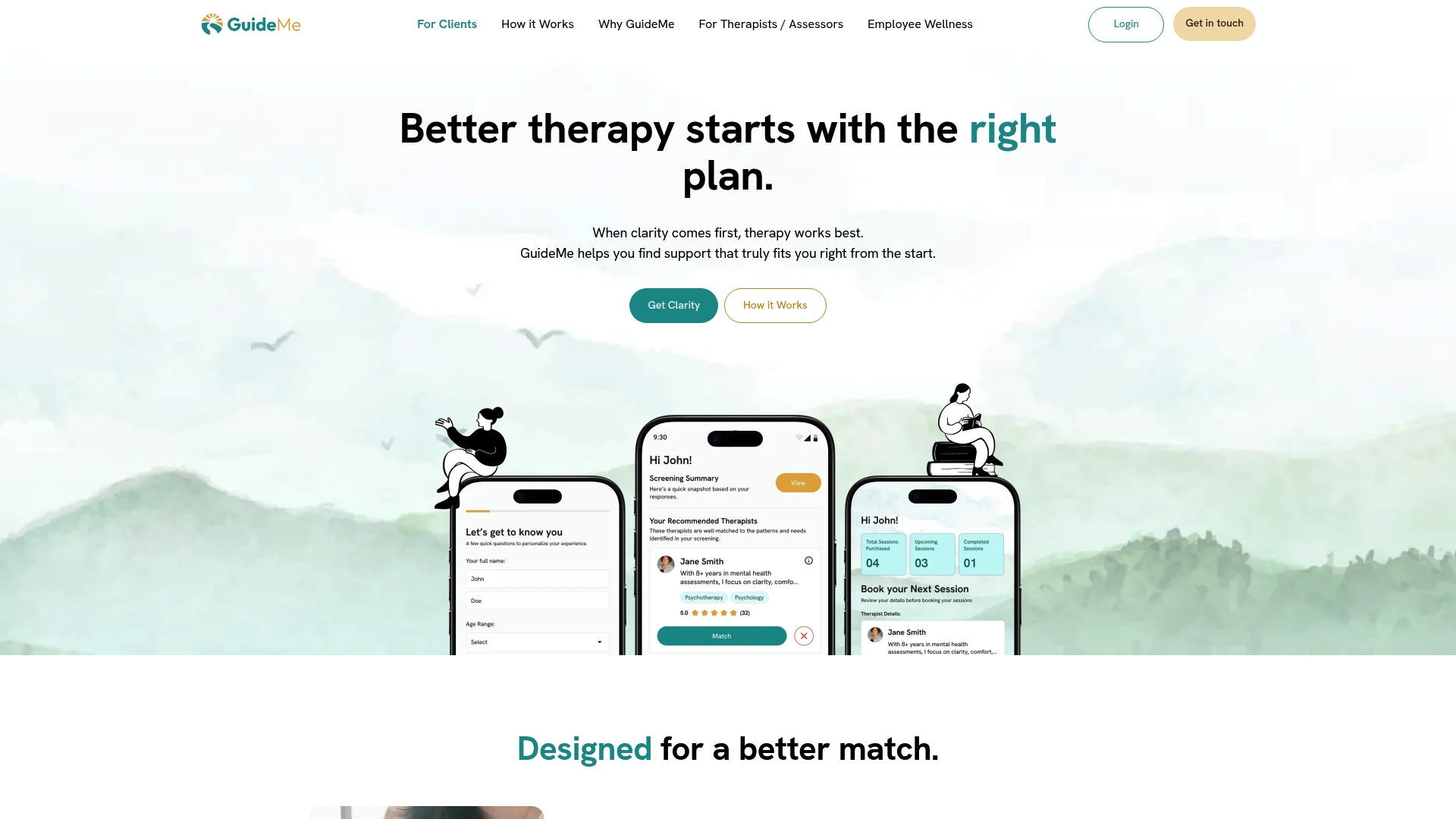
The service uses comprehensive intake questionnaires to understand your specific needs, preferences, and goals. This detailed information feeds into matching algorithms that identify therapists whose expertise, style, and approach align with your requirements. You receive personalised recommendations rather than generic lists.
Guide Me supports multiple therapist consultations, making it easy to compare options and choose confidently. All recommended therapists undergo credential verification, giving you peace of mind about qualifications and professionalism. This thorough vetting process reduces risks and ensures quality.
Clients using Guide Me typically cut their matching time in half whilst increasing confidence in their choice. The platform handles logistics like scheduling consultations and managing communications, letting you focus on finding the right fit. Whether you're starting therapy for the first time or seeking a better match, Guide Me applies the principles in this guide to simplify your search and improve your therapy experience.
Frequently asked questions
How long does the therapist matching process usually take?
The matching process typically takes two to six weeks depending on your approach and preparation. Digital platforms can halve this timeframe by streamlining preference gathering and recommendations. Time varies based on urgency, how well you've clarified your needs, and therapist availability in your area. Taking time to consult multiple therapists improves long-term fit and satisfaction, making the investment worthwhile.
What are key signs that I've found the right therapist?
You'll feel comfortable sharing openly without fear of judgement. Sessions feel productive, with clear discussions about your therapeutic goals and progress. You notice yourself engaging more deeply over time and looking forward to appointments. Trust your instincts: if you feel understood, respected, and supported, your match is likely strong.
Can I change therapists if the match isn't right?
Yes, changing therapists is common and actively encouraged if the fit isn't working. Early evaluation of compatibility and open communication about concerns help you decide when switching serves you better. Many clients try two or three therapists before finding the right match. Switching often leads to better engagement and outcomes rather than persisting in an unsuitable relationship.
How do digital platforms ensure privacy in therapist matching?
Reputable platforms use encryption to protect your data and comply with data protection laws like GDPR. Clear privacy policies explain exactly how your information is collected, stored, shared, and protected. Before providing sensitive details, review these policies carefully and confirm the platform uses secure systems. Trustworthy services prioritise transparency and give you control over your personal information.