
TL;DR:
- Child therapy addresses common emotional, social, and behavioral challenges across various ages, starting as young as two or three years old.
- Early intervention with evidence-based approaches, supported by active parental involvement, significantly improves long-term outcomes for children.
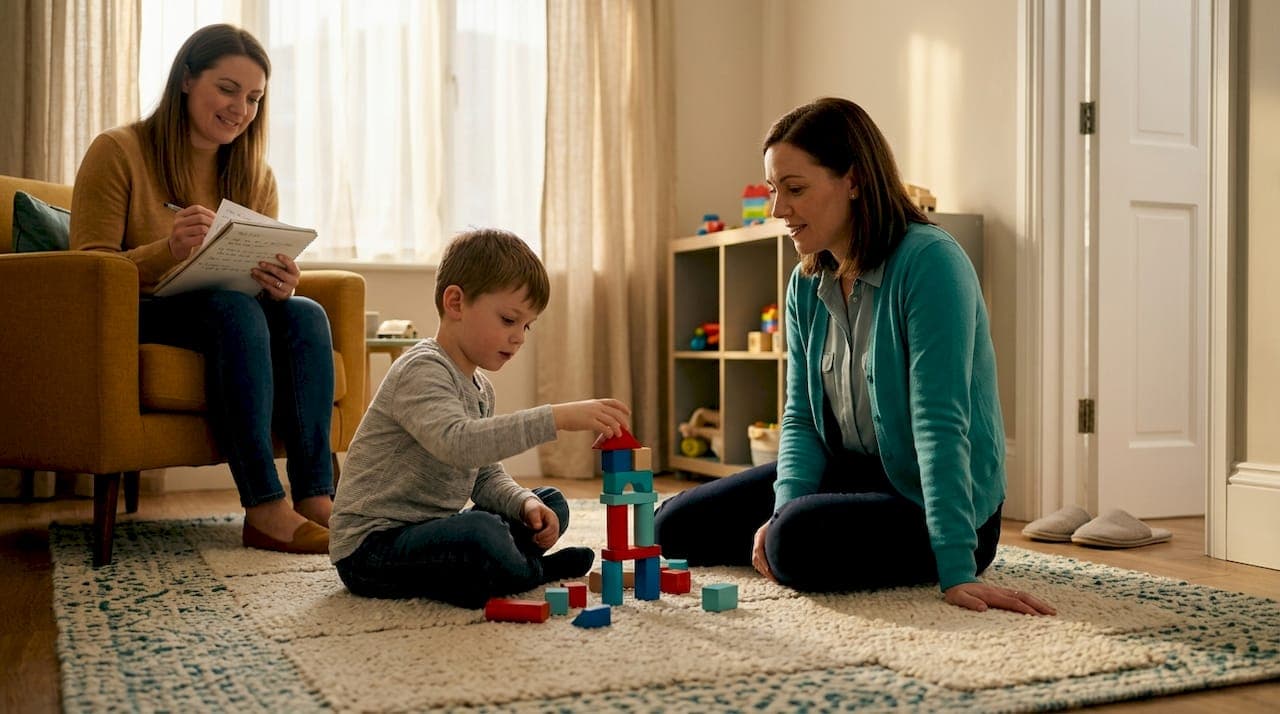
Many parents assume therapy is reserved for children with severe mental health conditions or for teenagers who can sit and talk at length with a professional. In reality, child therapy covers a wide range of everyday emotional, social, and behavioural challenges, and it is available for children as young as two or three years old. From anxiety and school refusal to grief, anger, and the aftermath of trauma, child therapy is designed to meet children where they are, using methods suited to their age and stage of development. This guide explains what child therapy involves, which approaches exist, how effective they are, and how parents can play an active part in supporting their child's progress.
Table of Contents
- Defining child therapy and why it matters
- Core types of child therapy: Methods and comparison
- How effective is child therapy? What the research says
- The crucial role of parents and caregivers in therapy
- Nuances, limitations, and controversies in child therapy
- What most guides miss about choosing effective child therapy
- How GuideMe can support your family
- Frequently asked questions
Key Takeaways
| Point | Details |
|---|---|
| Tailored approaches matter | The most effective child therapies fit the child's age, needs, and family context. |
| Parent involvement | Active parent participation reinforces progress and helps strategies last beyond sessions. |
| Results are evidence-backed | High-quality research supports moderate to strong effectiveness for most childhood challenges. |
| Know the limitations | Therapy is not one-size-fits-all, and some approaches remain controversial or best combined with home support. |
Defining child therapy and why it matters
Child therapy is a form of psychological support specifically designed for young people, from toddlers through to adolescents. Unlike adult therapy, which relies heavily on verbal conversation, child therapy uses a range of age-appropriate methods to help children process their emotions, develop coping skills, and build healthier patterns of thinking and behaviour.
A qualified child therapist might be a clinical psychologist, a licensed counsellor, or a psychotherapist who has specialised training in working with children. Each professional brings a different background, but the shared goal is to support a child's emotional wellbeing and reduce distress. Finding qualified child therapists who have specific experience in your child's presenting challenges is one of the most important first steps you can take.
Children face a surprisingly wide range of difficulties that therapy can address:
- Anxiety and worry, including separation anxiety and school refusal
- Depression and low mood, which can look very different in children than in adults
- Trauma and post-traumatic stress, following accidents, abuse, or significant loss
- Behavioural challenges, such as aggression, defiance, or impulsivity
- Neurodevelopmental conditions, including ADHD and autism spectrum presentations
- Social difficulties, such as persistent shyness, peer rejection, or friendship problems
- Life transitions, including parental separation, bereavement, or moving schools
"Child therapy is not a last resort. It is an early, evidence-based investment in a child's long-term wellbeing, and the sooner it begins, the more effective it tends to be."
Research consistently shows that early intervention produces better long-term outcomes than waiting until difficulties become entrenched. Common methodologies include Cognitive Behavioural Therapy (CBT), Play Therapy, Behaviour Therapy, Family Therapy, and Parent-Child Interaction Therapy (PCIT), each tailored to a child's developmental stage and the nature of their difficulties.
Core types of child therapy: Methods and comparison
Now that we have established what child therapy is, let's explore the main therapeutic approaches and what makes each one unique. Choosing the right method is not simply a matter of preference. It depends on the child's age, the nature of their difficulties, and the level of parental involvement available.
| Therapy type | Best suited for | Age range | Parental involvement |
|---|---|---|---|
| Cognitive Behavioural Therapy (CBT) | Anxiety, depression, OCD | 7 and above | Moderate |
| Play Therapy | Trauma, emotional regulation | 2 to 10 years | Low to moderate |
| Behaviour Therapy | Conduct issues, ADHD | 3 and above | High |
| Family Therapy | Relational conflict, transitions | All ages | High |
| PCIT (Parent-Child Interaction Therapy) | Behavioural disorders, attachment | 2 to 7 years | Very high |
Cognitive Behavioural Therapy (CBT) helps children identify unhelpful thought patterns and replace them with more balanced ones. For example, a child with social anxiety might learn to challenge the thought "everyone will laugh at me" with evidence to the contrary. CBT is one of the most extensively researched approaches available and is particularly effective for anxiety disorders in school-age children.
Play Therapy uses toys, art, sand trays, and imaginative play to help younger children express feelings they cannot yet put into words. A child who witnessed a traumatic event might re-enact it through play in a safe setting, allowing the therapist to support emotional processing. Multiple methodologies including Play Therapy are recommended by leading health bodies for younger children.
Behaviour Therapy focuses on reinforcing positive behaviours and reducing harmful ones through structured reward systems and consistent routines. It is commonly used for children with ADHD or oppositional behaviour and works best when parents and teachers are involved in applying the strategies consistently.
Family Therapy treats the family system as the client, addressing communication patterns, relationship dynamics, and shared stressors. It is particularly useful during significant life changes such as divorce, bereavement, or when a child's difficulties are closely tied to family conflict.
PCIT (Parent-Child Interaction Therapy) is a structured programme where parents are coached in real time, often through an earpiece, while interacting with their child. It is highly effective for young children with severe behavioural difficulties and builds both the child's self-regulation and the parent-child relationship simultaneously.
Pro Tip: Developmental fit matters enormously. A therapy designed for adults and adapted downwards, without proper consideration of a child's cognitive stage, can undermine progress. Always ask what to consider when choosing a therapist before committing to a particular approach.
How effective is child therapy? What the research says
Having introduced different methods, it is helpful to examine how well these therapies work in practice. The evidence base for child therapy is substantial, and the overall picture is encouraging, though it comes with important nuances.
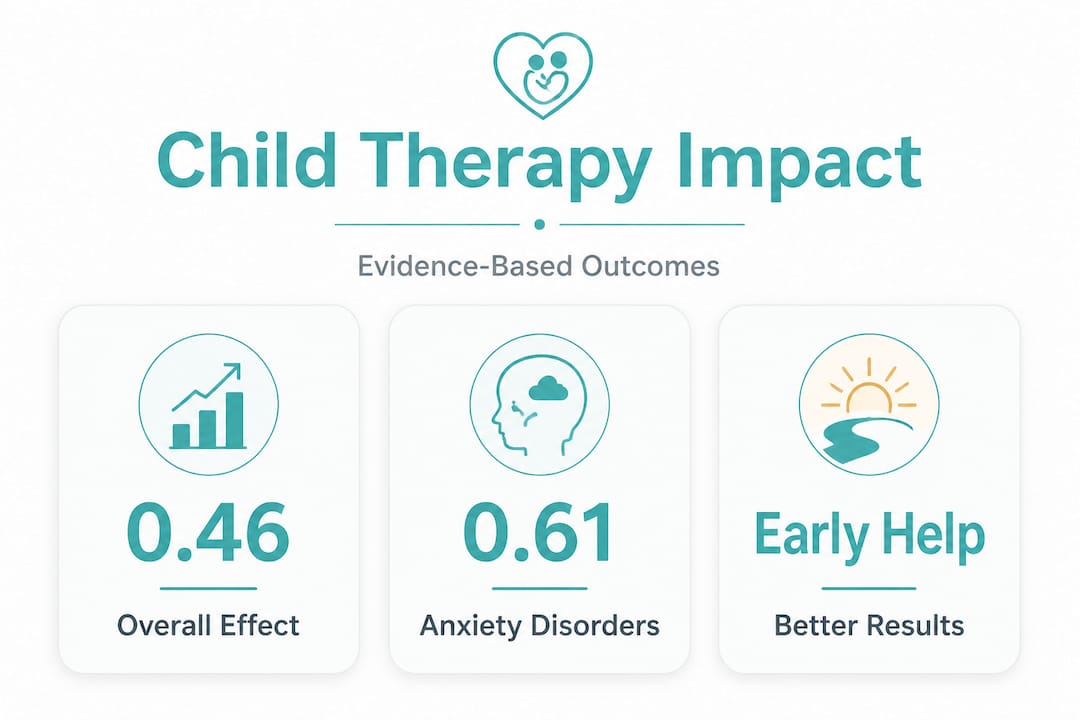
A large-scale meta-analysis of 447 randomised controlled trials found a post-treatment effect size of 0.46, meaning a treated child had a 63% chance of faring better than an untreated child. That figure is significant. It tells us that therapy, broadly speaking, works better than doing nothing.
The results vary considerably depending on the type of difficulty and the approach used:
| Condition | Effect size | Interpretation |
|---|---|---|
| Anxiety disorders | 0.61 | Moderate to strong benefit |
| Depression | 0.29 | Modest benefit |
| PTSD/trauma | Up to 2.42 (SMD) | Strong benefit with matched approach |
| General outcomes (Play Therapy) | 0.80 across 93 studies | Strong benefit for young children |
Anxiety responds particularly well to structured therapies like CBT, with effect sizes notably higher than the overall average. For trauma and PTSD in children, specific approaches such as Trauma-Focused CBT and Cognitive Processing Therapy show the strongest results, with standardised mean differences ranging from 0.25 to 2.42 across studies, indicating substantial clinical improvement.
Play Therapy stands out as especially effective for younger children, with an effect size of 0.80 across 93 studies. This is a strong result that many parents may find surprising, given how informal play-based sessions can appear from the outside. Depression shows a more modest response, which underscores the importance of matching therapy type carefully to each child's presentation rather than applying a one-size-fits-all solution.
Key statistic: Children who receive therapy have a 63% greater chance of improvement compared to those who receive no treatment at all.
The evidence is clear: early, well-matched therapy produces meaningful results. But outcomes improve even further when parents are actively involved in the process.
The crucial role of parents and caregivers in therapy
Beyond therapy sessions themselves, parents play a foundational role. Here is how, and why it matters so much.
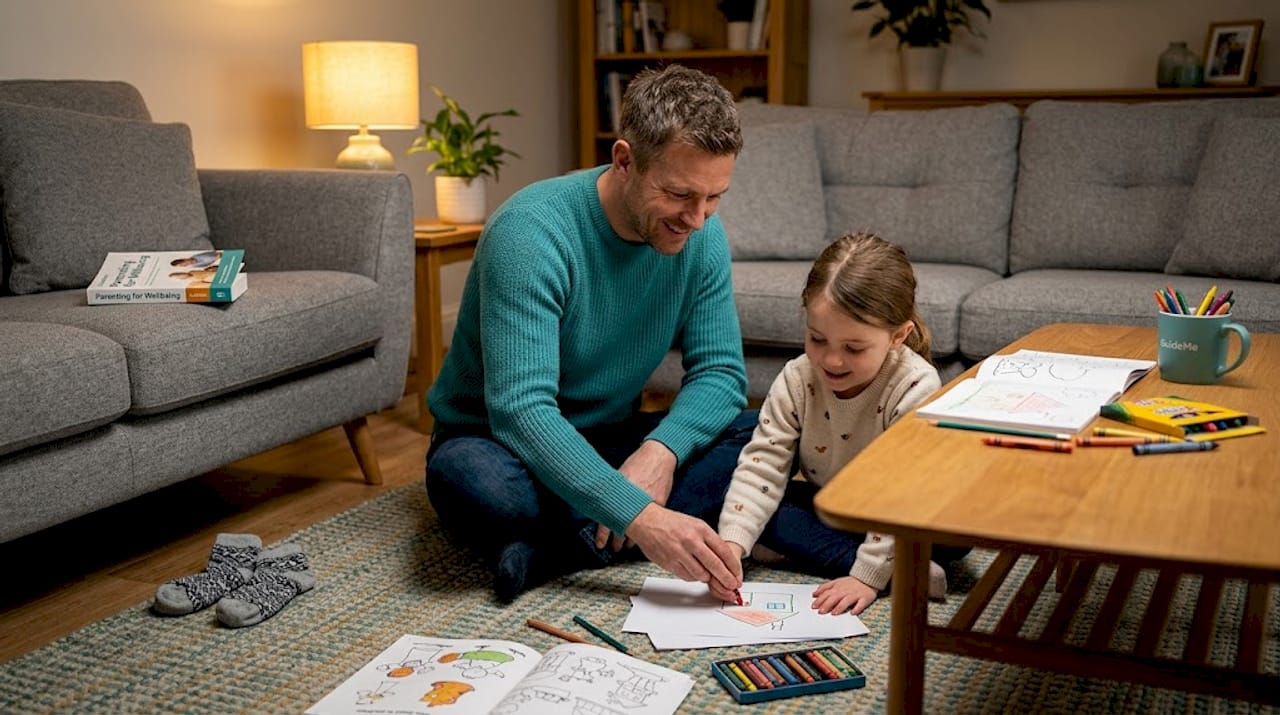
Many parents imagine that dropping their child off for a session is sufficient. In practice, the most effective child therapies are those that extend into the home environment. Parent and caregiver involvement is crucial, particularly for younger children, and therapies such as PCIT and CPC-CBT are explicitly designed to empower parents with skills they can use between sessions.
Here is what active parental participation typically looks like:
- Attending parent coaching sessions to learn strategies being used in therapy
- Practising specific techniques at home, such as praise routines, consequence systems, or relaxation exercises
- Providing feedback to the therapist about how your child responds outside the session
- Maintaining consistency, so strategies are applied regularly rather than only when behaviour escalates
- Modelling calm emotional regulation, which children internalise over time
For parent participation in therapy to be genuinely effective, parents need to feel supported themselves. It is normal to find it challenging to implement new strategies when you are also managing stress, work, and other family demands. Honest communication with your child's therapist about what is and is not working at home is essential.
For teenagers, the dynamic shifts. Adolescents often benefit more when parents step back slightly and allow them more autonomy in sessions, though keeping open lines of communication remains important. There are also excellent resources available, such as those at helping-mom.com, which can support parents in understanding how to engage with their children around mental health topics.
Pro Tip: Integrating therapy strategies into everyday routines, such as bedtime, mealtimes, and car journeys, produces more lasting change than applying them only in moments of crisis.
Nuances, limitations, and controversies in child therapy
Understanding the promise of child therapy also means being realistic about its limitations and the current debates. Not all approaches are without controversy, and informed parents are better placed to advocate effectively for their child.
"A therapy that works well for one child may be entirely wrong for another. The approach must fit the child, not the other way around."
One significant area of debate involves Applied Behaviour Analysis (ABA), commonly used with autistic children. ABA has been criticised for overemphasising compliance and conformity, potentially at the expense of an autistic child's sense of autonomy and self-expression. Many autistic adults who experienced ABA in childhood have spoken out about its harmful effects. This does not mean all behavioural approaches are harmful, but it does highlight the importance of checking that any approach respects your child's individual identity.
Play therapy, on the other hand, is sometimes undervalued by adults and commissioners who perceive it as "just playing," despite strong evidence of its effectiveness. This adult-centric bias can result in children being pushed into talk-based therapies before they are developmentally ready.
Before starting any course of child therapy, it is worth asking the following questions:
- What evidence supports this approach for my child's specific difficulty?
- Is this therapy adapted appropriately for my child's age and developmental stage?
- How will progress be measured, and over what timeframe?
- What role will I play, and how will you involve me?
- Are there any known risks or criticisms of this approach I should be aware of?
- What happens if this approach is not working after a set period?
Therapy alone can also fall short when it does not account for a child's home environment, school context, or systemic stressors such as poverty or family instability. Effective child therapy considers the whole picture, not just what happens in the therapy room.
What most guides miss about choosing effective child therapy
Most guides on child therapy focus on listing the types of therapy available and when to seek help. That is useful, but it misses something important: how you choose and monitor therapy matters as much as the therapy itself.
Parents are often positioned as passive recipients of professional advice. You bring your child in, the therapist works their magic, and improvement follows. The reality is more nuanced. Therapists, like all professionals, vary in their skill, experience, and approach. Some are excellent at working with school-age children but less experienced with toddlers. Some are deeply evidence-based; others rely heavily on instinct or approaches that have not been rigorously tested for your child's specific presentation.
This is why we believe that finding the right therapist is not a passive process. It requires asking direct questions, observing your child's response after sessions, and being willing to change course if progress stalls. If your child dreads going to therapy, that warrants a conversation with the therapist. If you cannot see any change after ten to twelve weeks, that also warrants a review.
Age-appropriate matching is another area that gets overlooked. A child of five does not benefit from CBT delivered in the same way as it would be for a fifteen-year-old. The principles may be the same, but the language, activities, and pacing must be right for the child's cognitive and emotional stage. This is non-negotiable.
Finally, the research is unambiguous on one point: early intervention paired with active home reinforcement produces better outcomes than therapy in isolation. If you are only relying on weekly sessions and doing nothing different at home, you are likely getting a fraction of the possible benefit. The work done in sessions needs to live in your child's daily life to make a lasting difference.
How GuideMe can support your family
If you have read this far, you are already taking the right steps. You are asking good questions, seeking to understand the options, and thinking critically about what will actually help your child.

GuideMe is a therapy navigation platform that helps families move from confusion to clarity. Using an AI-powered and human-led approach, GuideMe builds an in-depth therapy plan based on your child's specific needs and matches you with a qualified therapist who is the right fit from the start. There is no guesswork, no wasted time with the wrong professional, and no feeling lost in a system that is hard to navigate. If you are ready to find the right support for your child, start finding support today and take that first step with confidence.
Frequently asked questions
What age can a child start therapy?
Children as young as two or three may benefit if the approach fits their developmental stage, and Play Therapy is recommended as particularly appropriate for early years.
Does child therapy always require parents to participate?
Most effective therapies for younger children involve parents, and caregiver involvement is crucial especially in approaches like PCIT or family therapy.
How do I know if my child needs professional therapy?
If difficulties persist for several weeks, affect daily functioning at home or school, or cause your child significant distress, consulting a qualified child therapist is a sensible next step.
Are some child therapies controversial?
Yes. Certain methods, such as ABA for autism, have been criticised for overemphasising compliance at the expense of an autistic child's autonomy, and parents should ask informed questions before proceeding.
How quickly can child therapy show results?
Progress varies depending on the child and the approach, but research suggests most children begin to show meaningful improvement within a few months of starting a well-matched course of therapy.