

TL;DR:
- Trauma therapy is a structured psychotherapy aimed at safely processing traumatic events and reducing symptoms like flashbacks and nightmares. It emphasizes trauma-informed care, quality techniques such as CPT, PE, and TF-CBT, and personalized, paced treatment plans to help rebuild safety and control. Choosing a trained, evidence-based trauma therapist and asking relevant questions enhances therapy effectiveness and recovery outcomes.
Trauma therapy is not simply talking about what happened to you. It is a structured psychotherapy designed to help you safely process the effects of traumatic events, reduce distressing symptoms like flashbacks and nightmares, and rebuild your sense of safety and control. Many people avoid seeking help because they assume therapy means reliving painful memories in detail. That is a common and understandable fear. This article explains what trauma therapy actually involves, the main approaches available, and what to expect so you can make an informed, confident decision about your care.
Table of Contents
- Understanding trauma therapy and its purpose
- Common trauma therapy approaches and evidence-based treatments
- How trauma-informed care shapes therapy delivery
- Navigating trauma therapy: personalisation and what to expect
- Additional trauma therapy modalities and complementary approaches
- Rethinking trauma therapy: what most people miss
- Exploring therapy options with GuideMe
- Frequently asked questions
Key Takeaways
| Point | Details |
|---|---|
| Trauma therapy defined | Trauma therapy is specialised psychotherapy designed to safely help process trauma symptoms and improve functioning. |
| Evidence-based treatments | Approaches like cognitive processing therapy and prolonged exposure are proven effective for PTSD and trauma recovery. |
| Trauma-informed care importance | Safe, respectful therapy delivery focusing on avoiding retraumatisation is vital for healing. |
| Personalised and paced therapy | Therapy plans are tailored collaboratively to your trauma history, readiness, and needs. |
| Choosing a therapist | Select therapists providing evidence-based trauma-specific treatments with trauma-informed care practices. |
Understanding trauma therapy and its purpose
Trauma therapy addresses the psychological and emotional effects of traumatic experiences. These include symptoms such as intense fear, anger, guilt, persistent sadness, intrusive nightmares, flashbacks, and behavioural difficulties that interfere with daily life. If left unaddressed, these symptoms can significantly affect relationships, work, and overall mental health.
What makes trauma therapy distinct from general counselling is its foundation in trauma-informed care. This means your therapist focuses on what happened to you, not what is wrong with you. The goal is to create a treatment environment where you feel safe enough to process difficult experiences without being overwhelmed or retraumatised.
Trauma-informed approaches shape not only what techniques are used, but how sessions are structured and paced. Therapists trained in this framework are careful to avoid retraumatisation by adjusting how they communicate, what they ask, and how quickly they move through material. This is a meaningful distinction from general talking therapies.
Key symptoms that trauma therapy is designed to address include:
- Flashbacks and intrusive memories
- Nightmares and disrupted sleep
- Emotional numbness or detachment
- Hypervigilance and heightened startle responses
- Avoidance of people, places, or situations linked to the trauma
- Feelings of shame, guilt, or self-blame
- Difficulties with concentration and decision-making
"Trauma therapy works by providing a safe, supportive space to process traumatic events while preventing retraumatisation through evidence-based, trauma-informed methods."
Many people find that barriers to mental health support prevent them from starting therapy at all. Understanding what trauma therapy actually involves is often the first step in overcoming those barriers.
Common trauma therapy approaches and evidence-based treatments
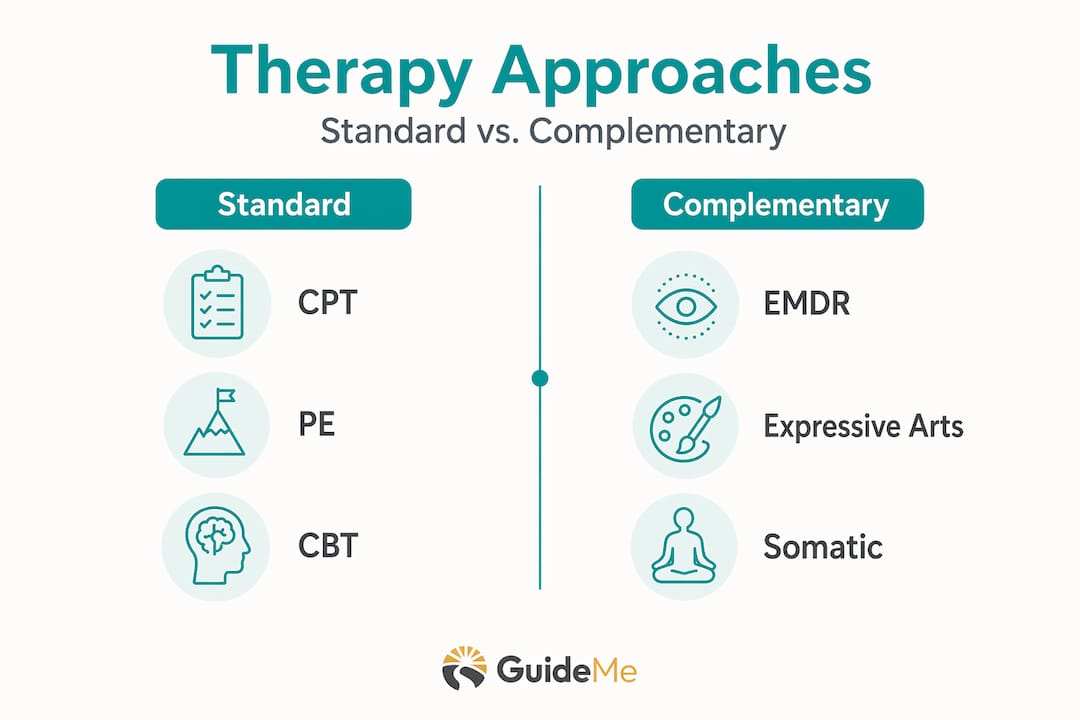
Once you understand the principles of trauma therapy, it helps to know which specific treatments are available and what the research says about them. The American Psychological Association recommends three first-line treatments for PTSD: Cognitive Processing Therapy (CPT), Prolonged Exposure (PE), and Trauma-Focused Cognitive Behavioural Therapy (TF-CBT).
Here is how each approach works in practice:
- Cognitive Processing Therapy (CPT): Focuses on identifying and challenging unhelpful beliefs that developed as a result of trauma, such as self-blame or a sense that the world is entirely unsafe. Sessions involve written accounts and structured exercises to reframe these beliefs.
- Prolonged Exposure (PE): Involves gradual, controlled engagement with trauma-related memories and situations that are being avoided. Exposure is carefully paced and planned collaboratively with your therapist, never forced.
- Trauma-Focused CBT (TF-CBT): Combines cognitive and behavioural techniques to address trauma symptoms. It is widely used for children and adolescents but is also effective for adults.
All three treatments are typically delivered over 12 to 16 sessions, either individually or in group settings, and involve collaborative planning so the pace matches your readiness and comfort.
| Therapy | Core method | Typical length | Best suited for |
|---|---|---|---|
| Cognitive Processing Therapy | Belief restructuring | 12 sessions | Adults with PTSD |
| Prolonged Exposure | Gradual memory exposure | 8 to 15 sessions | PTSD and avoidance |
| Trauma-Focused CBT | Combined cognitive and behavioural | 12 to 16 sessions | Children, adolescents, adults |
| EMDR | Bilateral stimulation | Variable | PTSD, complex trauma |
Pro Tip: Ask any prospective therapist directly which evidence-based trauma treatment they use and whether they have specific training in it. A therapist who is "trauma-informed" is not automatically trained to deliver CPT, PE, or TF-CBT.
How trauma-informed care shapes therapy delivery
Evidence-based techniques are only part of what makes trauma therapy effective. The way a therapist delivers those techniques matters enormously. Trauma-informed care means clinicians adjust their approach to reduce potential triggers, build trust, and create a sense of physical and emotional safety in every session.
In practice, this shapes therapy in several concrete ways:
- Pacing: Your therapist will not push you to disclose more than you are ready for. Sessions move at a pace you help determine.
- Session structure: There is a predictable, consistent structure that reduces anxiety and helps you feel secure.
- Empowerment: You are given choices throughout. Where to sit, what to focus on, whether to read a trauma account aloud or silently. These choices matter.
- Language: Therapists trained in trauma-informed care use careful, non-judgemental language that avoids inadvertently reinforcing shame or self-blame.
- Awareness of triggers: Clinicians are trained to recognise signs of distress mid-session and adjust accordingly, rather than continuing regardless.
This is particularly important for people who have experienced trauma in contexts where they had little control, such as abuse or violence. Trauma-informed principles restore a sense of agency that trauma often strips away.
Pro Tip: During an initial consultation, notice whether the therapist explains the process clearly, invites your input, and responds thoughtfully to your concerns. These are practical indicators of a trauma-informed approach in action.
Navigating trauma therapy: personalisation and what to expect
No two people experience trauma in the same way. Treatment plans reflect this. Therapists take into account your trauma history, the complexity and severity of your symptoms, your cultural background, and any ongoing stressors or legal considerations before agreeing on an approach.

Personalised treatment planning considers factors such as whether trauma was a single incident or prolonged, whether there are co-occurring conditions like depression or anxiety, and what your daily life and support network look like.
Here is what you can typically expect from trauma therapy:
- Initial assessment: Your therapist will gather information about your history, symptoms, and goals. This is not about retelling everything that happened. It is about building a shared understanding of your needs.
- Collaborative goal-setting: Together, you agree on what you want to achieve and how you want to approach it.
- Skills building: Before moving into trauma processing, many therapies begin with grounding and coping techniques to ensure you can manage distress outside sessions.
- Trauma processing: Using the agreed approach, you will work through trauma-related memories and beliefs at a pace that suits you.
- Consolidation: Sessions in the final phase focus on reviewing progress, building resilience, and preparing for life after therapy.
It is worth knowing that exposure to trauma memories in therapy is controlled and deliberate. It is not about reliving events in an unstructured or distressing way. Many people find this phase challenging but ultimately the most transformative part of treatment.
Possible considerations when exploring trauma therapy include:
- Group versus individual sessions based on personal preference and availability
- Session frequency, usually weekly, but sometimes more or less depending on severity
- The availability of trauma-specialist therapists in your area or online
- Whether your symptoms require immediate stabilisation before processing begins
Exploring your options early helps you approach therapy with realistic expectations and greater confidence.
Additional trauma therapy modalities and complementary approaches
Beyond the three primary evidence-based treatments, several other approaches offer credible and valuable options. These may be used as alternatives or alongside first-line treatments depending on individual needs.
- EMDR (Eye Movement Desensitisation and Reprocessing): EMDR uses bilateral stimulation, such as guided eye movements, while you briefly recall traumatic memories. It does not require detailed retelling of the trauma and has a strong evidence base for PTSD.
- Narrative Exposure Therapy (NET): Helps you build a coherent life narrative, placing traumatic events within the context of your broader life story. It is particularly used with refugees and survivors of multiple traumas.
- Dialectical Behaviour Therapy (DBT): Originally developed for emotional regulation difficulties, DBT is used to support people with trauma-related symptoms including self-harm, dissociation, and intense emotional responses.
- Expressive arts therapy: Uses creative modalities such as art, music, or movement to access and process trauma when verbal expression feels difficult or insufficient.
These evidence-informed approaches serve different needs and can be particularly valuable where standard talking therapies feel inaccessible or insufficient.
| Modality | Key feature | Trauma retelling required |
|---|---|---|
| EMDR | Bilateral stimulation | Minimal |
| Narrative Exposure Therapy | Life narrative construction | Partial |
| DBT | Emotional regulation skills | No |
| Expressive arts therapy | Creative processing | No |
Pro Tip: If you have tried talking-based trauma therapy before and found it difficult, EMDR or expressive arts therapy may offer a more accessible entry point. Discuss this openly with a therapist during your initial consultation.
Alternative trauma approaches are becoming increasingly available through online platforms, making it easier to access the right fit for your specific needs.
Rethinking trauma therapy: what most people miss
Most people searching for trauma therapy focus on finding someone who describes themselves as "trauma-informed." This is a reasonable starting point, but it misses a critical distinction. Trauma-informed care and trauma-specific therapy are not the same thing. A therapist can be compassionate, safe, and trauma-aware without actually delivering evidence-based trauma-focused treatment for your specific symptoms.
This matters because not all therapy that feels supportive will actually reduce PTSD symptoms. Supportive counselling has its place. But if you are experiencing intrusive flashbacks, persistent avoidance, or significant impairment in daily life, you need structured, evidence-based trauma processing, not just a safe space to talk.
The second thing most people miss is that trauma therapy does not require you to be "ready" in some complete or absolute sense before you start. CBT-based treatments are paced according to your comfort and capacity. Waiting until you feel entirely ready often means waiting indefinitely. The therapy itself builds the capacity you need.
Finally, there is a practical step that significantly improves outcomes but is rarely discussed: asking your therapist specific questions before committing. Which treatment model do you use? Have you trained in CPT, PE, or EMDR specifically? How do you pace exposure work? These are not difficult questions, and any well-trained trauma therapist will welcome them. Choosing effective support begins before the first session.
Exploring therapy options with GuideMe
Finding the right trauma therapist can feel overwhelming, especially when you are already managing the weight of difficult experiences. GuideMe is here to make that process simpler and more supportive.

At GuideMe, you are matched with qualified trauma therapists who are trained in evidence-based approaches and who practise within a trauma-informed framework. The platform combines human expertise with AI-powered matching to help you find the right therapist from the very beginning, not after a series of mismatched consultations. You will receive a personalised therapy plan based on your specific needs, so you start therapy with clarity and confidence, not confusion. If you are ready to explore your options, GuideMe offers a trusted, accessible starting point for your recovery.
Frequently asked questions
What is the difference between trauma therapy and trauma-informed care?
Trauma therapy refers to specific treatments aimed at processing trauma symptoms, while trauma-informed care is an approach that ensures services are delivered safely and respectfully. As SAMHSA notes, clinicians may mean either when they say "trauma therapy," so it is worth clarifying which is being offered.
How long does typical trauma therapy last?
Most trauma therapies, especially CBT-based treatments, are delivered over 12 to 16 sessions, usually weekly, with flexibility based on individual needs and progress.
Is trauma therapy only about talking through traumatic events?
No. Effective trauma therapy uses structured methods like cognitive restructuring and controlled exposure to modify unhelpful beliefs and memories. It goes well beyond general conversation.
Can trauma therapy cause distress or worsen symptoms?
Temporary increases in distress can occur when processing traumatic memories, but risks are managed carefully through professional pacing, coping skills training, and ongoing therapist support.
What should I look for when choosing a trauma therapist?
Look for a therapist who provides evidence-based trauma-specific treatments rather than one who is simply labelled trauma-informed without confirmed training in structured trauma-processing methods.