

TL;DR:
- Legal support tips help you understand your rights, find trustworthy resources, and make informed legal decisions. Rely solely on qualified solicitors for legal advice, while court staff and websites provide general legal information only, stressing the importance of jurisdiction and disclaimer checks. Preparing a concise case summary and using targeted referral services or limited-scope representation can significantly improve your legal process and manage costs effectively.
Legal support tips are practical tools and strategies that help you understand your rights, identify reliable resources, and make informed decisions when facing personal or business legal issues. The distinction between legal advice and legal information sits at the heart of every effective approach to getting help. Knowing which sources to trust, how to prepare before a consultation, and where to find affordable assistance can change the outcome of your situation significantly. This guide covers the most useful legal assistance tips available in 2026, from eligibility thresholds to preparation checklists and safe use of online resources.
1. Understand the difference between legal advice and legal information
Legal advice applies the law to your specific facts and recommends a course of action. Legal information, by contrast, explains laws, procedures, and options in general terms without telling you what to do in your particular situation. This distinction matters because treating general information as personal advice is one of the most common and costly mistakes people make.
Only a qualified solicitor or barrister can provide legal advice. Court staff, self-help centres, and most online resources provide legal information only. Court staff explain procedures but cannot tell you what strategy to pursue or whether your case is strong. Relying on them for strategy leaves you exposed.
- Legal information: Explains what the law says, what forms exist, and what the general process looks like
- Legal advice: Tells you what the law means for your situation and what you should do next
- Who provides each: Solicitors and barristers provide advice; court staff, libraries, and most websites provide information only
Pro Tip: Always check for a disclaimer and jurisdiction notice when using online legal resources. If a website does not state which country or region its content applies to, treat it as background reading only, not guidance for your case.
2. Know your eligibility for free or reduced-cost legal help
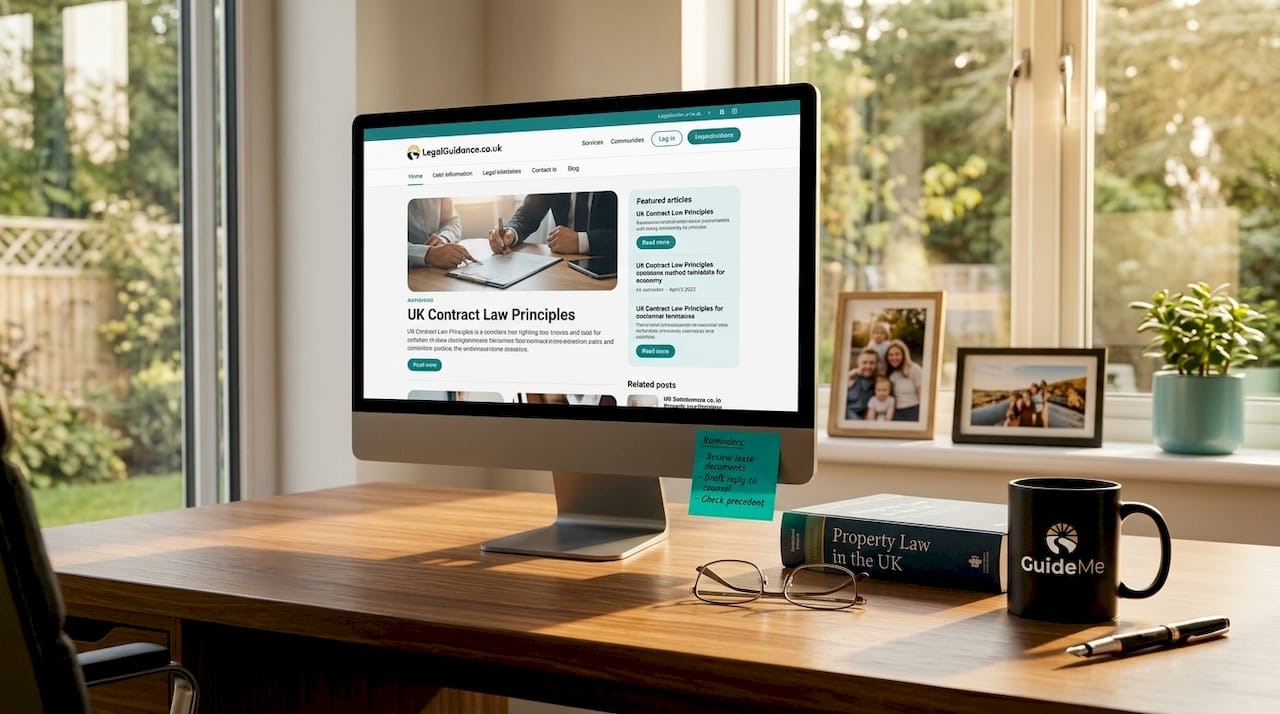
Free legal aid eligibility in 2026 is set at 125% of the Federal Poverty Guidelines, as updated by the Legal Services Corporation. This means your household income must fall at or below that threshold to qualify for fully funded legal assistance. Knowing this figure before you contact a legal aid organisation saves time during the intake process.
If your income sits above the free-service cutoff, reduced-fee options are often available. Many legal aid providers operate sliding-scale fee structures, and some bar associations offer referral services that connect you with solicitors who charge lower rates for qualifying clients. The gap between free and full-price legal help is smaller than most people assume.
Income is not the only eligibility factor. Many legal aid programmes prioritise specific case types, including housing, family law, immigration, and consumer debt. Contacting your local legal aid office directly is the fastest way to confirm whether your situation qualifies.
3. Use bar association referral services to find the right solicitor
Bar referral services connect clients with vetted solicitors matched to their specific legal issue, reducing the guesswork and anxiety that come with searching independently. The NYC Bar Legal Referral Service, for example, offers both phone and online requests, matching individuals to experienced practitioners based on the nature of their matter.
The key advantage of a referral service over a general internet search is specificity. A referral service considers whether your issue is transactional or a dispute, which area of law applies, and sometimes your location and budget. This matching process produces far better outcomes than browsing solicitor directories without guidance.
Pro Tip: When contacting a referral service, describe your legal issue in one or two clear sentences. State whether you need advice on a contract, a dispute, a family matter, or another category. Precise descriptions produce better matches and faster responses.
4. Consider limited-scope representation to manage costs
Limited-scope representation allows a solicitor to assist with a specific part of your case rather than handling the entire matter. You might hire a solicitor to review a contract, draft a letter, or prepare you for a hearing, while managing other steps yourself. This approach reduces costs significantly without leaving you entirely without professional input.
This model suits people who are confident handling procedural steps but need expert input at critical decision points. It is particularly useful for small business owners dealing with contract disputes, tenants reviewing lease agreements, or individuals preparing for mediation. The solicitor's involvement is targeted and therefore more affordable.
Initial consultations under limited-scope arrangements are often modestly priced or free. Use that first meeting to clarify exactly which tasks you need help with and get a written estimate before proceeding.
5. Prepare a clear summary of your legal situation before seeking help
Preparing a brief legal summary and gathering relevant documents before your first contact improves your chances of being referred to the correct solicitor quickly. Legal aid intake processes use your description and documents to triage your case and route it to the right specialist. A vague or incomplete summary slows this process down.
Your summary should cover the core facts, the timeline of events, and the outcome you are seeking. Keep it factual and free of emotional language. Legal helpers need to understand what happened and what you want, not how you feel about it.
- Write a one-paragraph summary of the key facts and the date each occurred
- List the outcome you want, for example, a refund, custody arrangement, or contract termination
- Gather all relevant documents: contracts, correspondence, court notices, and receipts
- Note the names and contact details of all parties involved
- Write down any deadlines, hearing dates, or response windows you are aware of
Pro Tip: Prepare three to five questions to ask your solicitor or legal helper at the end of your first meeting. Questions like "What are my options?" and "What should I do before our next contact?" keep you informed and in control of your case.
6. Understand the intake process used by legal aid and pro bono services
Legal aid intake includes eligibility screening and an assessment of your legal issue before any assistance is provided. FindLaw notes that clients must respond promptly to requests for information and keep their contact details current throughout the process. Missing a call or failing to return a message can result in your case being closed.
Pro bono clinics operate similarly. Volunteers assess your situation during a brief appointment and either provide immediate guidance or refer you to a more appropriate service. These clinics are not a substitute for ongoing legal representation, but they are an excellent starting point for understanding your options.
Staying engaged with the process is your responsibility. Legal aid organisations manage high caseloads, and clients who communicate clearly and respond quickly receive more consistent support.
7. Use online legal resources safely and critically
Online legal information is reliable when it is current, location-specific, and produced by a credible organisation. Websites run by government bodies, law schools, and established legal charities generally meet this standard. Personal blogs, forum posts, and AI-generated summaries without cited sources do not.
The most common trap is assuming that content written for one jurisdiction applies to yours. Employment law in England differs from employment law in Scotland, and both differ substantially from US or Australian law. Always confirm the jurisdiction before acting on anything you read.
- Check the domain type: .gov, .ac.uk, and established charity domains signal credibility
- Look for an "About" page that identifies the authors and their qualifications
- Check the publication or last-updated date; legal content older than two years may be outdated
- Cross-check AI-generated legal answers against official government or court websites before relying on them
- Use online resources to gather general steps and procedural information, then convert those findings into targeted questions for a solicitor
Pro Tip: Treat online legal resources as preparation tools, not decision-making tools. Use them to understand general steps and gather forms, then bring your questions to a qualified professional.
8. Recognise when legal stress affects your mental health
Legal matters carry significant emotional weight. Disputes over housing, family, employment, or finances create sustained stress that affects sleep, concentration, and relationships. Recognising this connection is part of effective legal self-management, not a separate concern.
Research consistently links prolonged legal stress to anxiety and depression, particularly in cases involving family courts or financial insolvency. If you notice that a legal situation is affecting your daily functioning, addressing your mental health alongside your legal preparation is a sound and practical response. Guidemetherapy's legal therapy support guide explores this connection in detail and offers a starting point for understanding how therapy can support people in legal difficulty.
Seeking mental health support does not weaken your legal position. It strengthens your capacity to communicate clearly, make decisions under pressure, and engage consistently with your legal team or support services.
Key takeaways
Effective legal support depends on knowing the difference between legal advice and legal information, identifying the right sources of help, and preparing thoroughly before any consultation.
| Point | Details |
|---|---|
| Advice vs information | Only a qualified solicitor can give legal advice; court staff and most websites provide information only. |
| Eligibility threshold | Free legal aid in 2026 requires income at or below 125% of the Federal Poverty Guidelines. |
| Referral services work | Bar association referral services match you to vetted solicitors based on your specific issue type. |
| Preparation matters | A clear written summary and relevant documents speed up intake and improve referral accuracy. |
| Online resources have limits | Use online legal content to prepare questions, not to make final decisions; always verify the jurisdiction. |
What I have learned about getting legal help that most guides skip
I have spent years watching people arrive at legal consultations underprepared and leave more confused than when they arrived. The problem is almost never a lack of information. It is a lack of the right information, organised in a way that a solicitor can actually use.
The single most underrated legal support tip I can offer is this: write your summary before you make a single phone call. Not a long document, just a paragraph. What happened, when it happened, and what you want as an outcome. That exercise alone forces you to separate the facts from the feelings, and it is the facts that determine your legal options.
I have also seen people dismiss limited-scope representation as a compromise. It is not. For many situations, particularly small business contract disputes and landlord-tenant matters, targeted solicitor input at one or two critical points is more effective than full representation that stretches your budget to breaking point. You stay in control, and you get expert input where it counts most.
The online resource question is where I see the most damage done. People read a forum post written for a different country and make decisions based on it. The jurisdiction issue is not a technicality. It is the difference between correct and completely wrong guidance. Check the source, check the date, and check the location before you act on anything.
Finally, do not underestimate the mental load of a legal matter. Stress affects your ability to communicate clearly and make sound decisions. Addressing that is not a distraction from your legal situation. It is part of managing it well.
— Yetty
Finding the right support when legal and personal challenges overlap
Legal difficulties rarely arrive alone. They often come with financial pressure, relationship strain, and real emotional weight that is hard to carry without support.
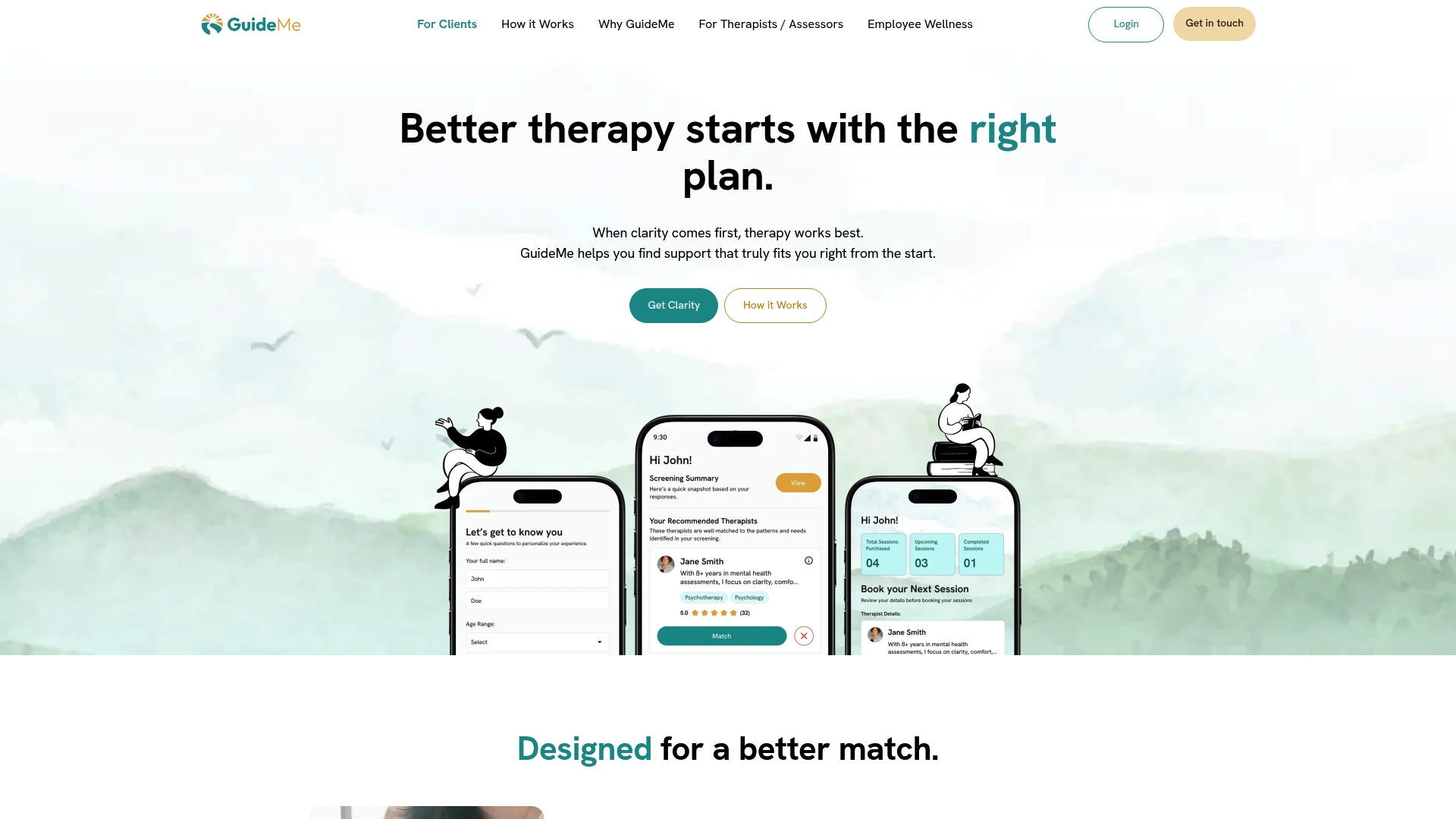
Guidemetherapy is a therapy navigation platform that helps you understand your mental health and get matched with the right therapist from the start. If a legal situation is affecting your wellbeing, Guidemetherapy's human-led, AI-powered matching process can connect you with a therapist who understands the pressures you are facing. Visit Guidemetherapy to begin your personalised therapy plan and find a therapist suited to your needs. You do not have to manage the emotional side of a legal matter on your own.
FAQ
What is the difference between legal advice and legal information?
Legal advice applies the law to your specific situation and recommends a course of action; only a qualified solicitor can provide it. Legal information explains laws and procedures in general terms and is available from court staff, libraries, and many websites.
How do I qualify for free legal aid in 2026?
In 2026, the Legal Services Corporation sets the income threshold for free legal aid at 125% of the Federal Poverty Guidelines. Eligibility also depends on the type of legal issue, as many programmes focus on housing, family law, and immigration matters.
What is limited-scope representation?
Limited-scope representation means hiring a solicitor to handle only a specific part of your case, such as reviewing a document or preparing you for a hearing, rather than managing the entire matter. This reduces costs while still giving you professional input at critical points.
How do I know if an online legal resource is trustworthy?
Reliable online legal content is current, location-specific, and produced by a credible organisation such as a government body, law school, or established legal charity. Always check the publication date, the author's credentials, and the jurisdiction the content applies to before acting on it.
When should I contact a bar association referral service?
Contact a bar association referral service when you need a qualified solicitor but are unsure which type of lawyer handles your issue. Services like the NYC Bar Legal Referral Service match you to vetted practitioners based on your specific legal matter, reducing both cost and uncertainty.